Living in Melbourne, FL: Neighborhoods and Home Buying Guide
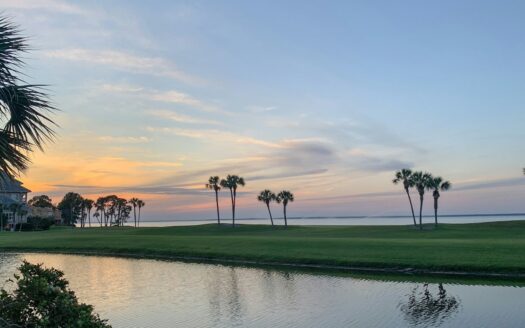
Melbourne sits on Florida’s Space Coast in Brevard County, between the Indian River Lagoon and the Atlantic Ocean. It combines a walkable historic downtown, access to beaches and boating, a regional airport, and a wide mix of housing. If you are weighing a move to the area, this guide explains what to consider before you buy.
FL Pro Brokers serves buyers and sellers in Melbourne and across Central Florida. Browse current homes on our Melbourne homes for sale page.
What Makes Melbourne Appealing
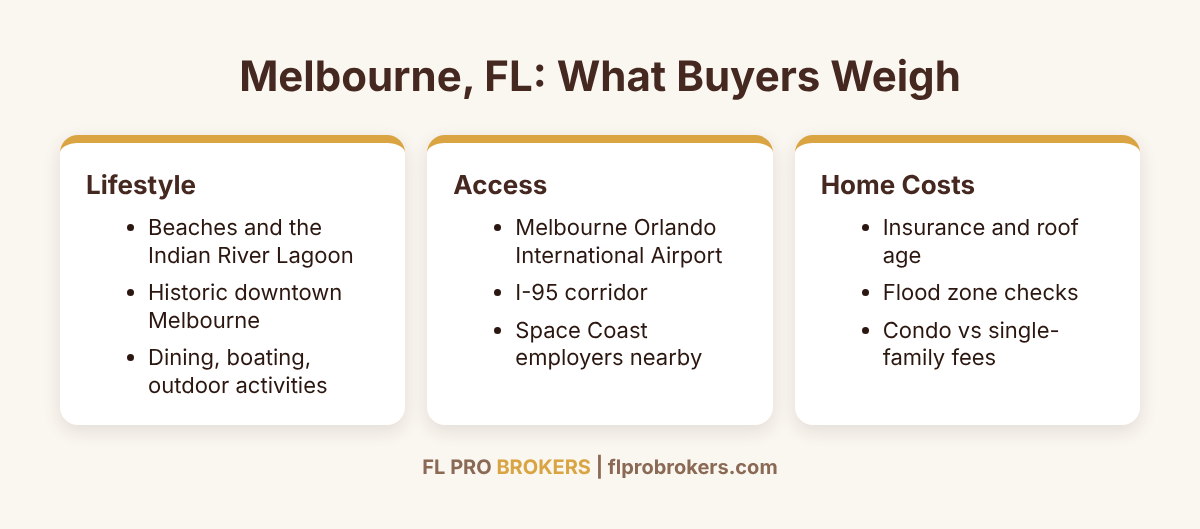
Buyers often mention the mix of lifestyle options. You can live close to the water, near downtown restaurants and shops, or in a quieter residential neighborhood further from the coast. The area is also home to a university, a regional airport, and employers tied to the Space Coast economy, which gives it a stable local identity beyond the tourist season.
Neighborhood Types to Compare
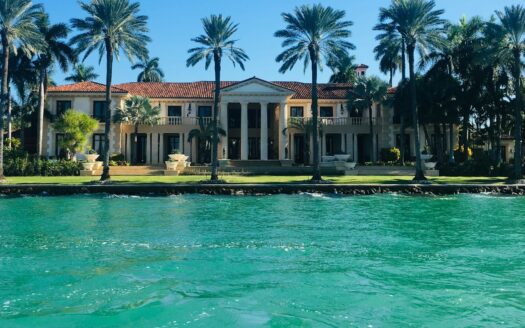
- Waterfront and near-water homes. These offer boating and views but require close attention to flood zone, elevation, seawall condition, and insurance.
- Downtown and historic areas. Smaller lots and older homes can have charm, along with maintenance needs worth inspecting carefully.
- Suburban communities. Newer neighborhoods may offer larger floor plans and community amenities, sometimes with HOA rules and fees.
- Condos and townhomes. Review the association’s finances, reserves, special assessments, and insurance requirements. See our guide to buying a condo in Florida.
Budgeting Beyond the Price
Coastal living comes with costs that deserve a line in your budget. Get homeowners and flood insurance quotes early. Ask about the age of the roof and whether wind mitigation documentation is available. Understand the closing costs and what you will bring to the table. If you are a first-time buyer, review available first-time buyer programs that may help with down payment or closing cost assistance.
A Simple Process for Buying in Melbourne
- Define your priorities. Decide on budget, commute, water access, and must-have features.
- Get pre-approved. A lender letter strengthens your offer and clarifies your budget.
- Tour in person. Visit at different times of day and after a rainstorm if possible to see drainage and noise.
- Make an informed offer. Your agent will review comparable sales and help you choose terms and contingencies.
- Inspect and verify. Complete inspections, confirm insurance, and review title and flood information before closing.
For the full process, see our step-by-step guide to buying a house in Florida.
Neighborhood Snapshots
Melbourne is more than one kind of place. Historic downtown Melbourne has restaurants, shops, and walkable streets close to the lagoon. The Eau Gallie Arts District, also part of Melbourne, is known for its galleries and creative character. Residential neighborhoods spread out from these centers, with a mix of older homes on established streets and newer communities with planned layouts. Nearby areas such as Viera, Suntree, and the beachside towns of Indialantic and Melbourne Beach are often considered alongside Melbourne, each with its own price points and rules.
Work, School, and Getting Around
Melbourne is home to Florida Institute of Technology and Melbourne Orlando International Airport, and the area has long been tied to aerospace and technology employers. That gives the local economy a more year-round feel than some tourist-driven markets. Interstate 95 and U.S. 1 are the main routes, and the airport makes travel convenient for people who fly often. If you have school-age children, check the school zone for any address you are considering, since boundaries can change.
Life on the Water
The Indian River Lagoon and the Atlantic shape recreation here: fishing, kayaking, boating, and beach days are part of life for many residents. If you want a boat, confirm what type of dock or lift is allowed, whether there are bridge-height or depth limits, and what the association or city requires. Waterfront homes can be wonderful, but they need extra due diligence, including seawall inspections, flood zone verification, and an insurance quote before you finalize your offer.
Condos, Rentals, and Second Homes
Some buyers look at Melbourne as a second home or a place to rent part of the year. Before you rely on rental income, read the association’s rental rules and any local short-term rental regulations. Ask for the condo’s budget, reserve funds, and any planned assessments. A property that looks like a bargain can become expensive if the building needs major repairs. Our condo guide lists the documents to request.
Thinking About Selling in Melbourne?
If you own a home here, preparation and pricing matter as much as the market. Make needed repairs, gather your permits and maintenance records, and consider what buyers in your price range will compare your home to. Our guide to selling a house in Florida walks through each step.
Frequently Asked Questions
Is Melbourne, FL a good place to live?
Many people like its mix of coastal access, downtown amenities, and housing variety. Whether it suits you depends on your budget, commute, and comfort with coastal factors like insurance and flood risk.
Should I buy near the water in Melbourne?
Waterfront can be rewarding, but it requires extra diligence on flood zone, elevation, insurance, and structures like seawalls and docks. Get quotes and inspections before you commit.
How is Melbourne different from Palm Bay?
The two cities are neighbors. Melbourne tends to be associated with its downtown and beach-side lifestyle, while Palm Bay is a larger city with many single-family neighborhoods. See our Palm Bay guide to compare.
Start Your Melbourne Home Search
Contact FL Pro Brokers to talk through your plans, or browse the current Melbourne listings.
This article is for general information and is not legal, tax, or financial advice. Market conditions, taxes, and insurance costs change; confirm current figures with licensed professionals.